About

Our Mission and Vision

Mission: A volunteer organization committed to advancing French language education in anglophone public schools. Working to empower students through bilingualism for a stronger, more inclusive New Brunswick.

Vision: A bilingual future for all students through quality French education in New Brunswick.

History

In 1977, Keith Spicer, Canada’s first-ever Commissioner of Official Languages, met with parents across Canada who wanted their children to learn French as a second language (FSL) but who ran into roadblocks at their local school boards. Spicer went on to organize a national conference of like-minded parents that same year, which resulted in the creation of Canadian Parents for French, an advocacy group whose mission was to ensure that children would have the opportunity to become bilingual in the Canadian school system. This organization developed autonomous chapters in each province, each with its own elected Board of Directors and its own provincial programs and advocacy.
As Canadian Parents for French made organizational changes that centralized operations in Ottawa, the New Brunswick chapter risked losing its independence and being amalgamated into a single Atlantic regional office in Halifax. Our Board of Directors determined that this arrangement could not meet New Brunswick’s unique needs as Canada’s only officially bilingual province.
In 2024, Canadian Parents for French New Brunswick (CPFNB) became the fully independent Parents for Bilingual Education New Brunswick (PBENB). We are the same dedicated organization New Brunswick parents and educators have trusted for decades to provide quality programming and to advocate for New Brunswick-specific issues, such as the preservation of French Immersion in the Anglophone school system. We have newly expanded our focus to include rapprochement between Anglophone and Francophone linguistic communities, which we believe is key to New Brunswick’s bilingual future.

Why Choose French?

  • French is the most widely taught language in the world after English.
  • French is spoken in over 102 countries and territories around the world.
  • Learning another language can help you understand and perfect your own.
  • Learning French makes it easier to learn other languages with Latin roots such as Spanish and Portuguese.
  • Learning a second language improves memory, problem solving skills and overall brain function.
  • More than 125 million students worldwide are learning French.
  • Young children’s brains are especially adaptable. Before about age 7, kids can naturally absorb pronunciation and grammar patterns in ways that are much harder later in life. In fact, bilingual children often develop strong problem-solving skills and mental flexibility because their brains are constantly navigating between two languages.

Key Facts About Bilingualism in New Brunswick

1969 - Officially Bilingual: New Brunswick adopted its first Official Languages Act in 1969, becoming Canada’s only officially bilingual province. As of 2026, the province has had official bilingual legislation in place for 57 years.

1981 - Bill 88 Strengthens Equality: The Legislative Assembly of New Brunswick unanimously adopted An Act Recognizing the Equality of the Two Official Linguistic Communities in New Brunswick (commonly known as Bill 88), affirming the equality of status, rights, and privileges of both English and French linguistic communities.

2002 - A Bilingual City First: Moncton became the first officially bilingual city in Canada by unanimous vote of its municipal council.

A Strong Acadian Presence: New Brunswick is home to one of the largest Acadian populations in the world. The Acadian flag - blue, white, and red with a gold star - is proudly displayed across Francophone communities, especially on August 15 (National Acadian Day).

1978 – French Immersion Begins: French Immersion was first introduced in the Anglophone public school system in 1978, beginning with Late French Immersion programs at the middle school level. Early French Immersion followed in subsequent years, expanding access to younger students. Since then, French Immersion has grown significantly and remains a key part of bilingual education in the province.

Today – Growing Participation: Currently, 31% of students in the Anglophone public school system are enrolled in French Immersion.

One of Canada’s Highest Bilingualism Rates: Roughly one-third of New Brunswickers are bilingual in English and French - one of the highest provincial bilingualism rates in Canada.

Leadership

Bonnie Porter | Executive Director
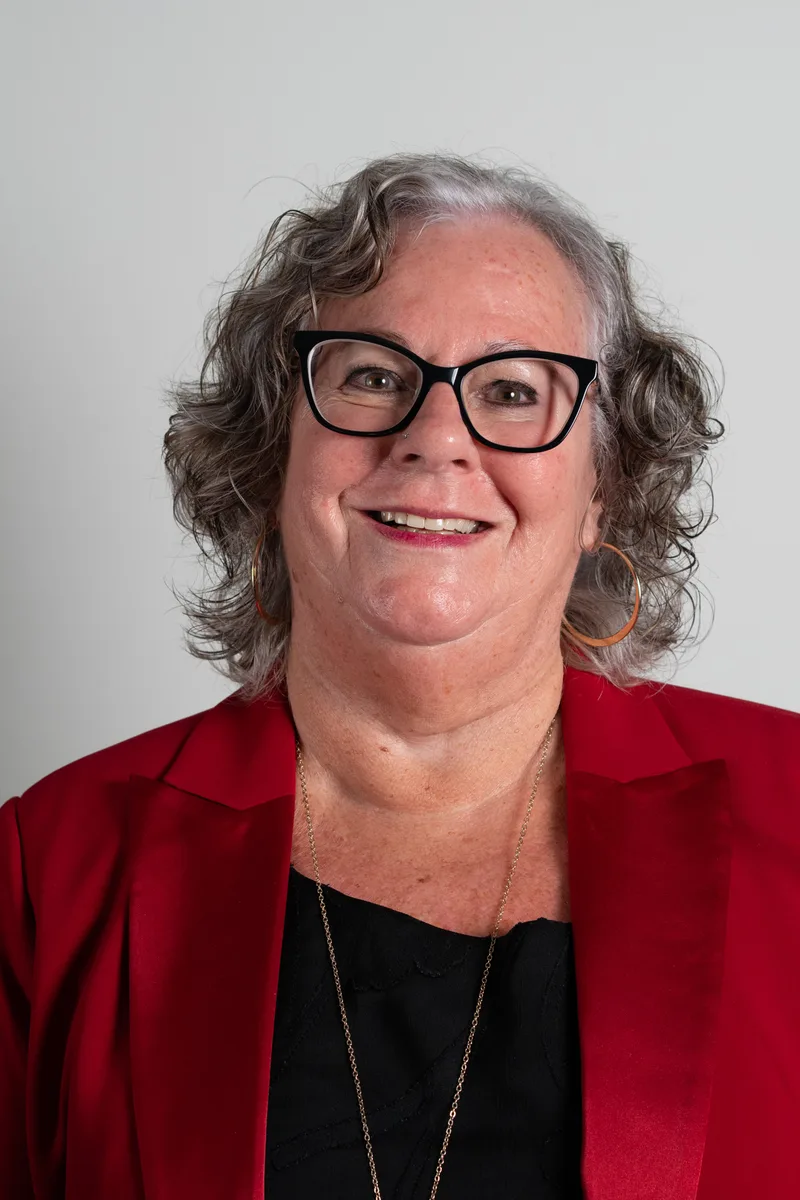
Email: executivedirector@pbenb.com

Jane Keith | President

Carole Noël | Vice President
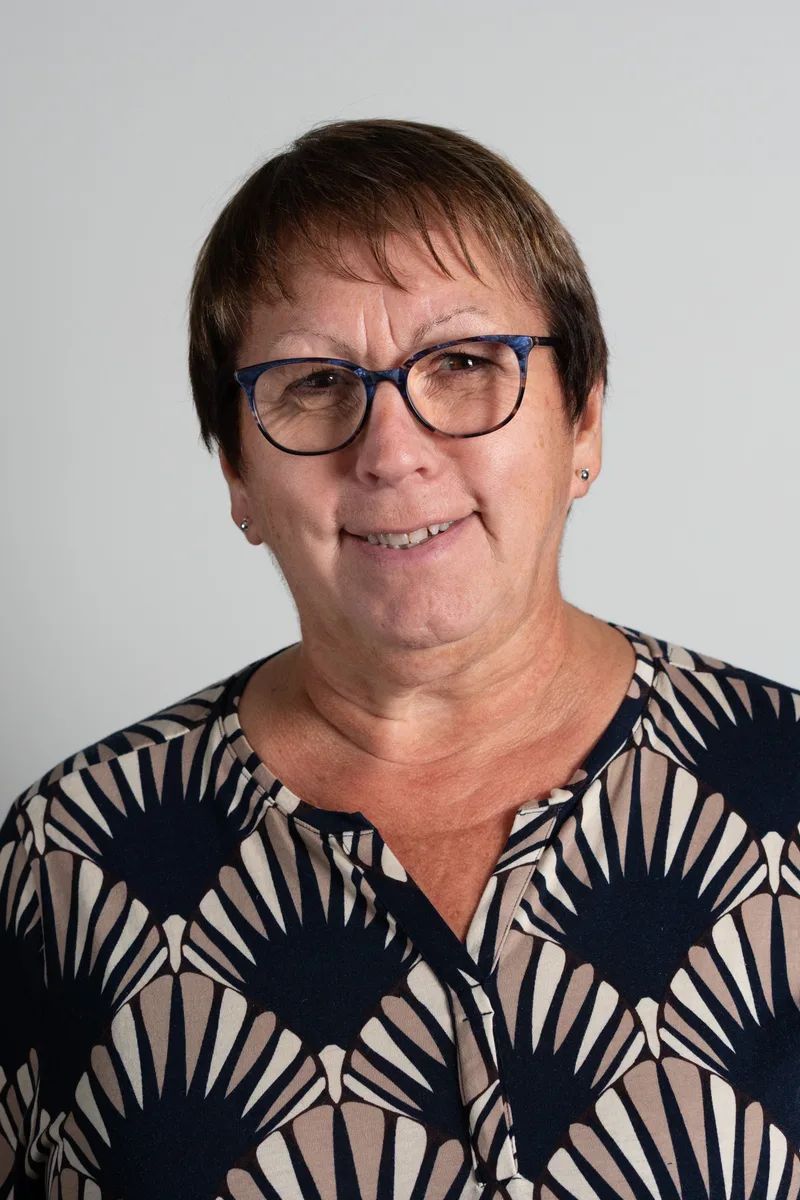
Debbie Melanson | Treasurer

Craig Caldwell | Director
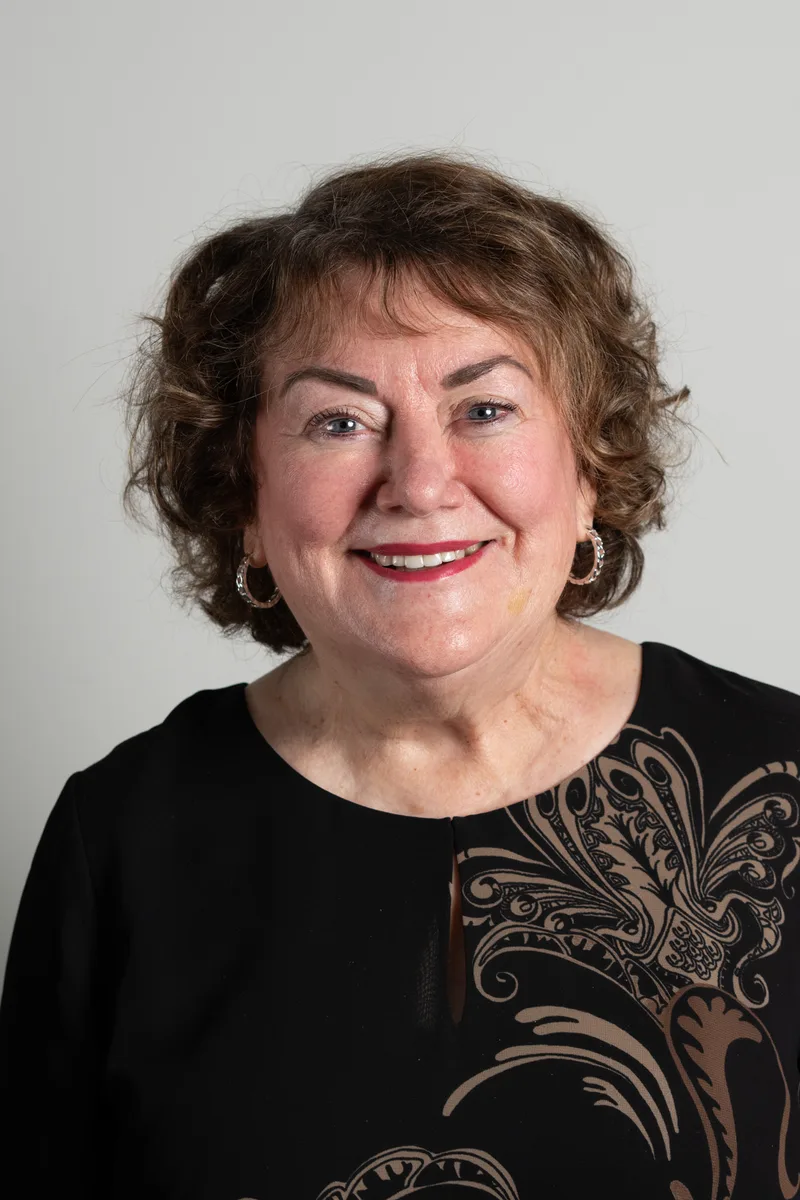
ROBERT BERNIER | DIRECTOR

DOROTHY WHITE | Director

ANGELA MACINTYRE HARRIS | DIRECTOR

CHRIS COLLINS | Director

LINDA DICKSON | DIRECTOR
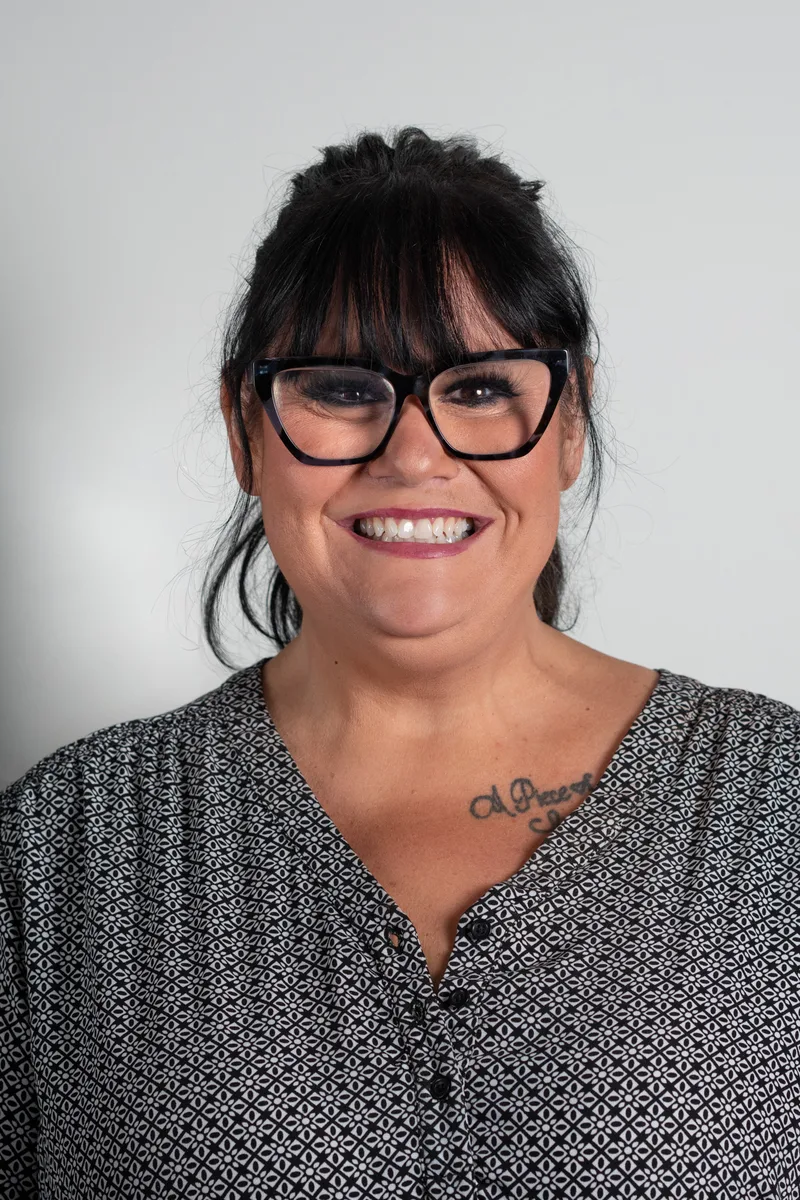
GREG KEITH | ADVISOR